Wings of Survival
The cape vultures of Manutsa
The cape vultures of Manutsa
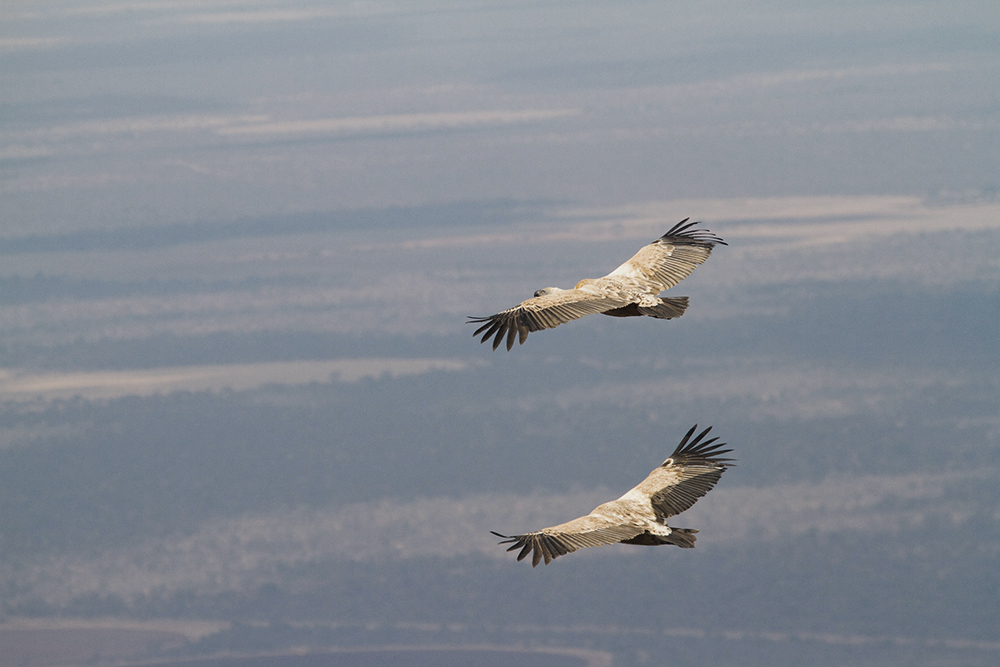
High above the dramatic cliffs of the Northern Drakensberg, the Cape Vulture soars in silent circles. Endangered, majestic, and vital to the health of our ecosystem, these birds are far more than a symbol – they are the heartbeat of our reserve. Protecting them means protecting the wilderness itself.
Scientific name: Gyps coprotheres
Wingspan: Up to 2.6 m (8.5 ft)
Weight: 7–11 kg
Diet: Carrion – nature’s clean-up crew
Global population: ~4,000 breeding pairs
Status: Endangered (IUCN Red List)
At Cape Vulture Nature Reserve: 700+ breeding pairs – South Africa’s 3rd largest colony
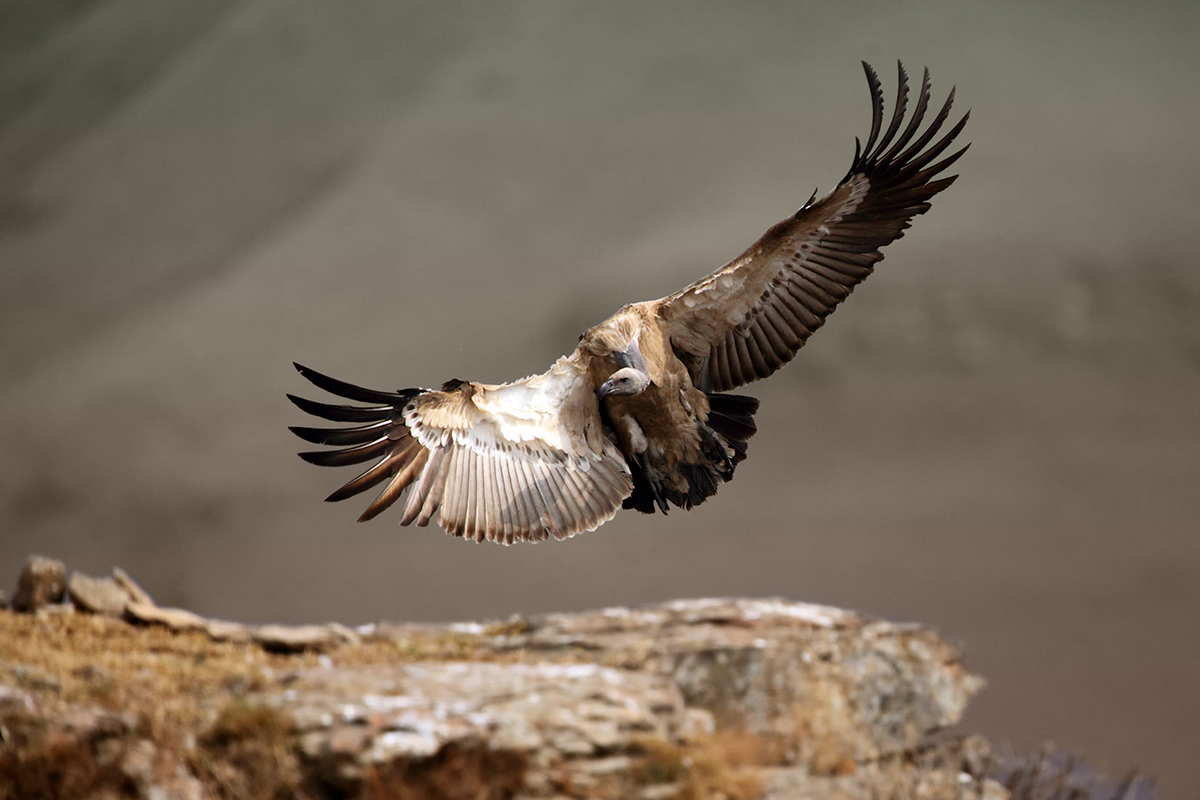
Where the cliffs meet the sky, every wingbeat tells a story of survival –
and every visitor becomes part of its future.“
The Cape Vulture (Gyps coprotheres) is one of Africa’s largest and rarest birds of prey. With wingspans reaching up to 2.6 meters, they ride the thermals with an elegance that belies their critical role in the ecosystem: keeping landscapes clean, preventing disease, and maintaining the natural balance of life and death.
Yet their survival is fragile. Across Southern Africa, populations have plummeted due to habitat loss, poisoning, powerline collisions, and reduced food availability. Today, the species is classified as Endangered, with fewer than 4,000 breeding pairs left in the world.
Here at Cape Vulture Nature Reserve, we are home to the third-largest breeding colony in South Africa, with over 700 pairs nesting on the dramatic cliffs of the Manutsa Mountains. This makes our reserve a sanctuary not only for the birds themselves, but also for the countless species and communities that depend on a healthy ecosystem.
Our conservation efforts include habitat protection, monitoring of breeding sites, and working hand in hand with local communities to reduce human-wildlife conflict. By visiting, you are directly contributing to the survival of these incredible birds – and to the future of South Africa’s wilderness.
Book your unforgetable stay today!