A living classroom
for future generations
for future generations
at Cape Vulture Nature Reserve
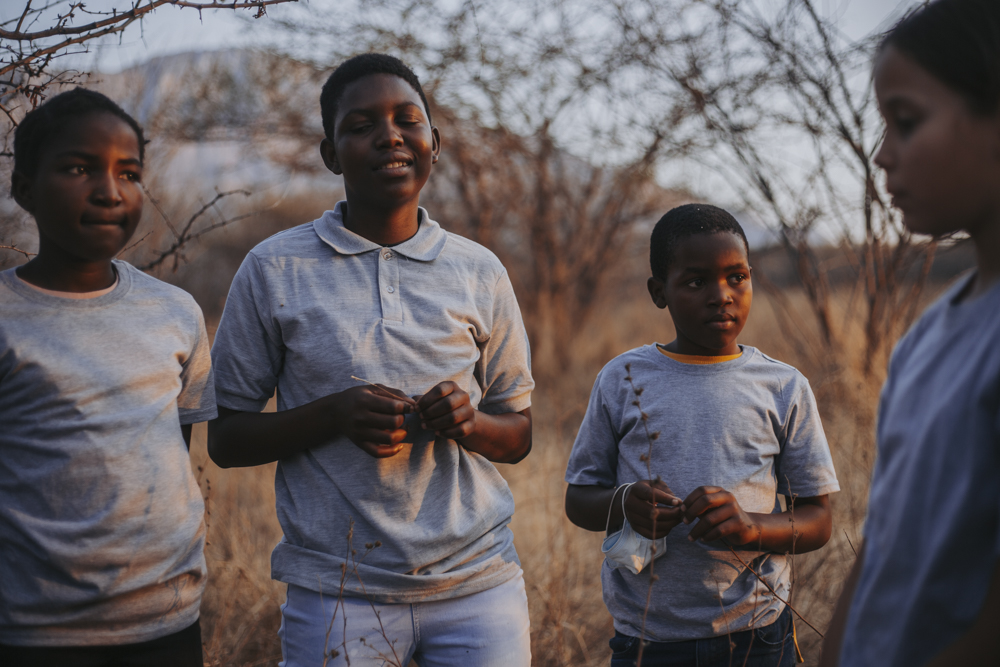
Education at Cape Vulture Nature Reserve means learning from the land and from one another. By weaving education into conservation, we empower local communities to connect with their environment, gain new skills, and shape a sustainable future.
and one another
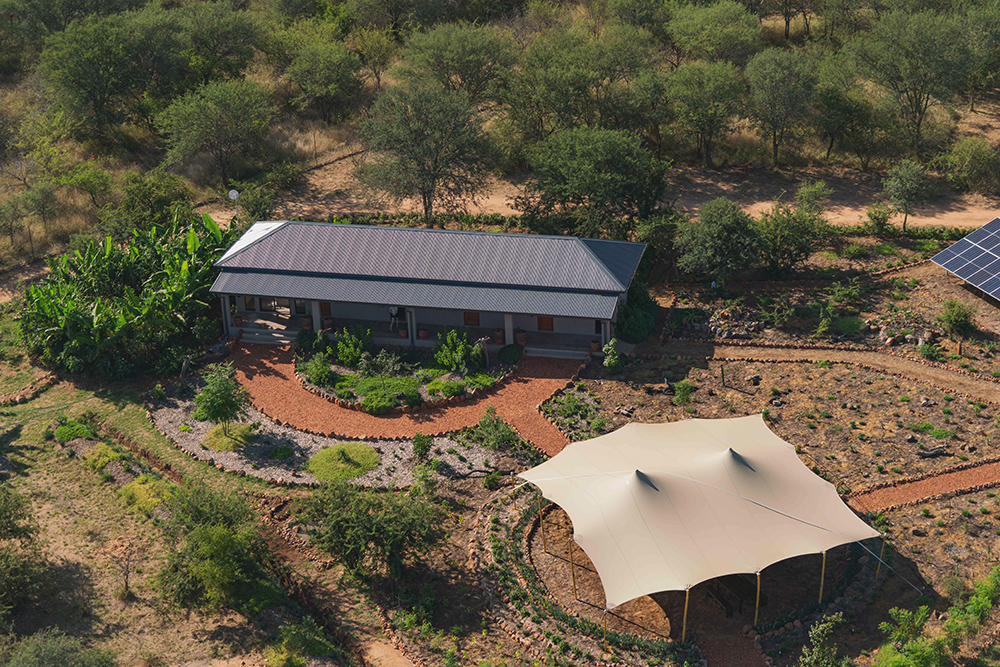
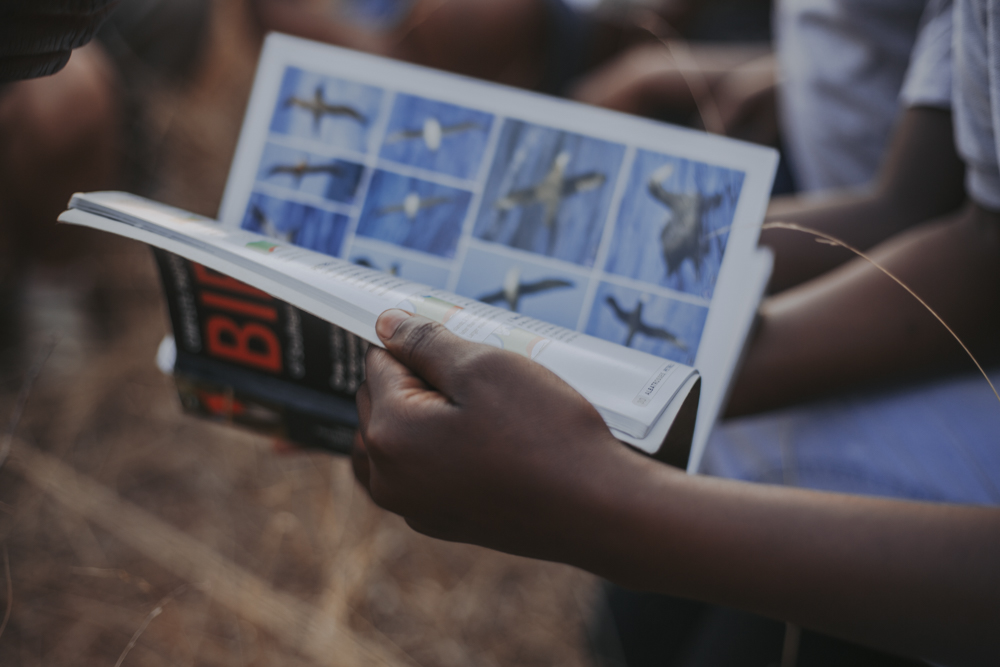
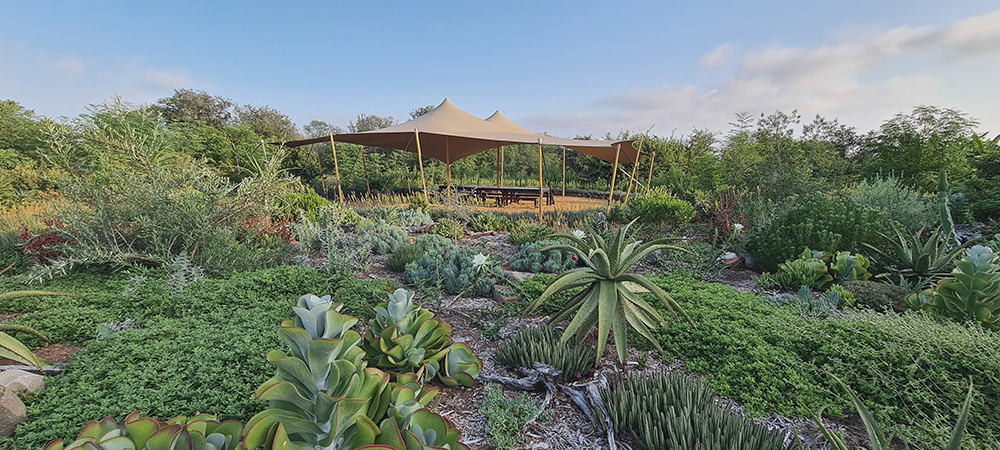
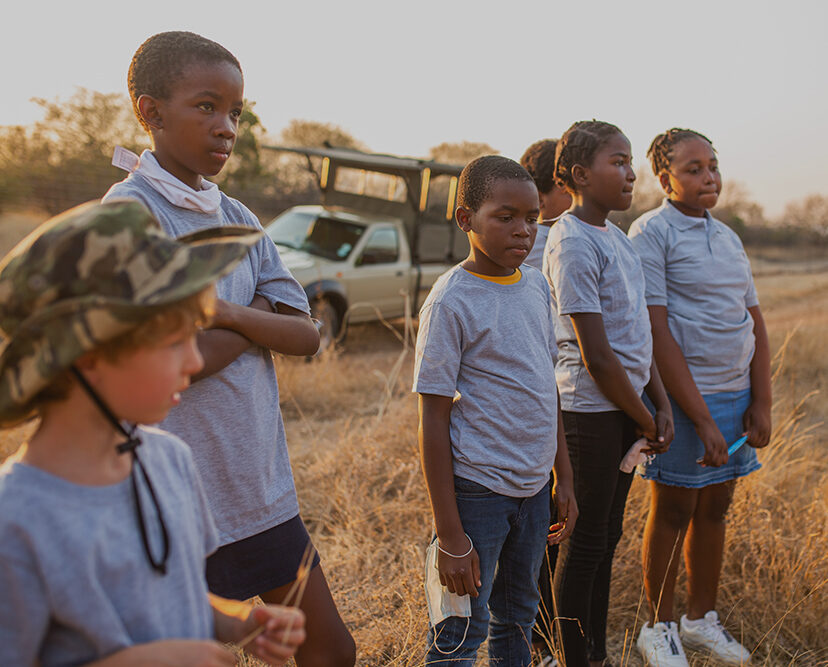
At the heart of Cape Vulture Nature Reserve lies a deep commitment to community upliftment through education. We believe that conservation thrives when the people who live closest to the land are part of its care and protection. Across the reserve, learning is embedded in every experience. From our vibrant Education Centre to the permaculture gardens and solar-powered Eco Camp. Here, young people from surrounding villages are invited to explore their natural heritage, discover new perspectives, and strengthen their connection to the land. Our programmes go beyond environmental awareness. They focus on practical skills for sustainable living, teaching both children and adults about regenerative food production, ecological responsibility, and the balance between human needs and nature’s rhythms. For too long, local communities have been expected to safeguard natural resources without access to them or a voice in their management. By offering meaningful participation and hands-on learning, Cape Vulture Nature Reserve helps shift that narrative. Through shared knowledge and collaboration, we are planting seeds for lasting change, empowering future generations to value, protect, and benefit from their natural environment. In doing so, the reserve is not only conserving species, but nurturing a living legacy of coexistence and respect.
We’re not just preserving the land—
we’re teaching people how to live with it, thrive from it, and protect it for generations to come.
Growing food – growing futures
At the heart of Cape Vulture Nature Reserve’s vision lies something deceptively simple yet profoundly powerful: food. How it is grown, shared, and used determines not only the health of people, but the health of the planet itself.
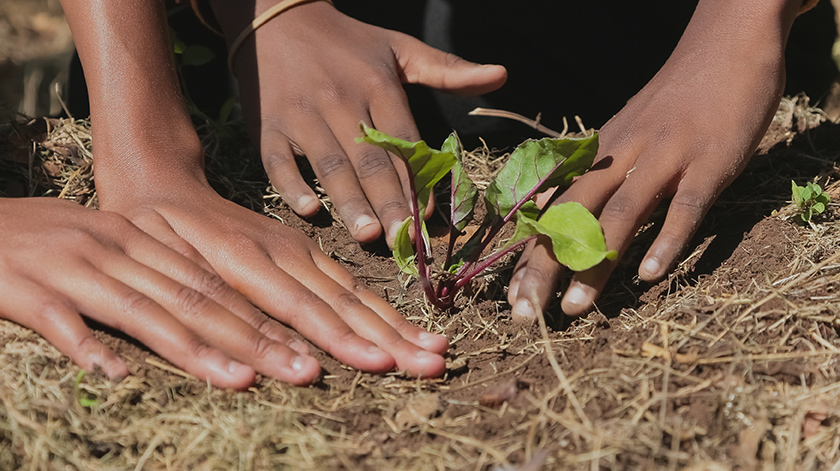
Here, food is more than nourishment. It is connection. It ties together soil and sky, people and place, present and future. In our gardens, we cultivate not just vegetables and fruit, but knowledge, resilience, and hope. Every seed planted becomes a promise, to restore the land, to empower communities, and to live in balance with nature’s rhythm.
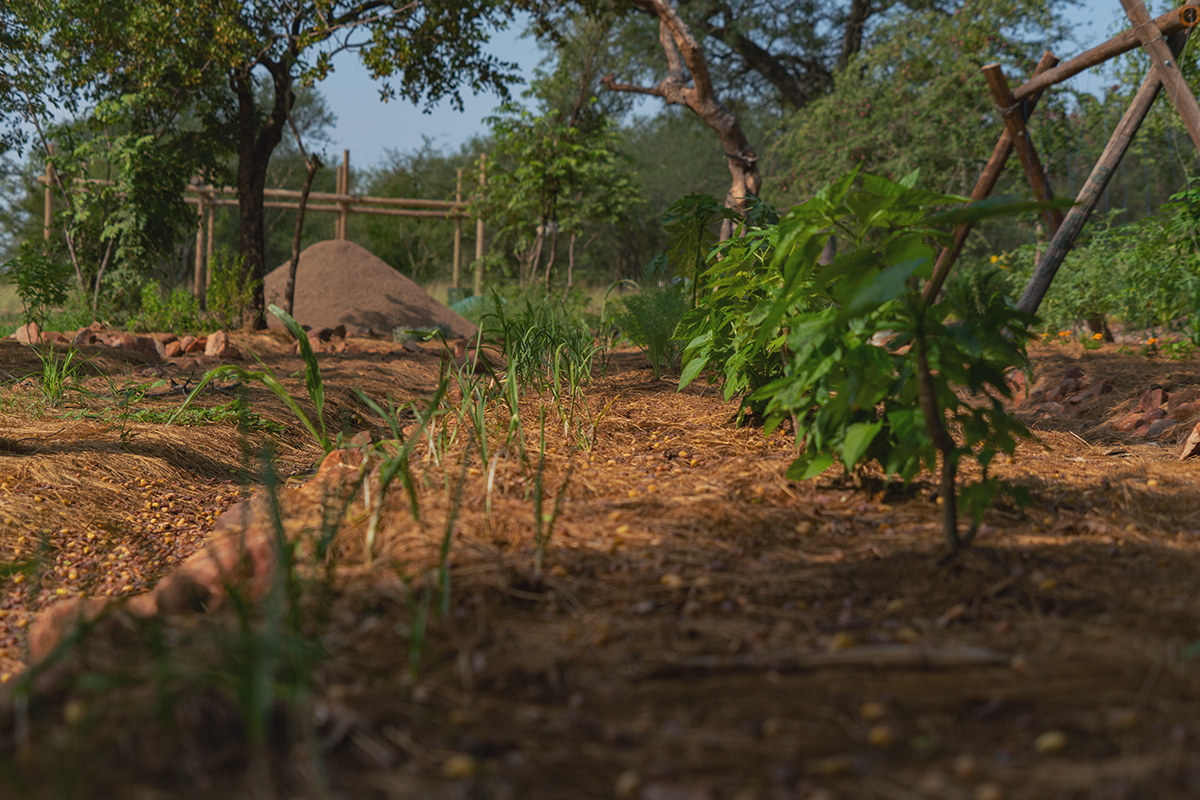
Permaculture, short for permanent agriculture, is not just a farming method. It’s a philosophy of living in harmony with nature, imitating the balance of ecosystems through soil regeneration, crop diversity, and organic practices.
At our reserve, the permaculture gardens are both a source of nourishment and a living classroom. It’s a hands-on space where guests, schoolchildren, and volunteers learn how to grow food sustainably.
Beneath banana and papaya trees, herbs and vegetables grow side by side. The garden hums with life: bees pollinate, compost steams gently, and the soil breathes again. The harvest finds its way to our lodge kitchen, offering guests a true garden-to-table experience where every meal tells a story of care, health, and connection. But the garden’s impact extends far beyond the lodge. It is a hub for community learning and food sovereignty. Through workshops, school programs, and volunteer initiatives, people from nearby villages gain practical skills to grow their own food, restore their soil, and build resilience against food insecurity.
At Cape Vulture, permaculture and conservation are inseparable. Healthy soil sustains healthy ecosystems. By restoring fertility, reducing waste, and closing natural cycles, the gardens contribute to the wellbeing of the reserve as a whole. Each compost pile, each seedling, each shared meal is a small act of regeneration. It’s a reminder that caring for the earth begins with the way we feed ourselves and one another.