Conservation is more than a mission
it’s our shared responsibility
it’s our shared responsibility
at Cape Vulture Nature Reserve
As a sustainable leader in eco-tourism, conservation is at the forefront of everything we do. The property was acquired with the specific intent of preserving a vital habitat within the Kruger to Canyons Biosphere, chosen for its rich biodiversity, threatened vegetation, and critical role in protecting species like the Cape vulture. Through active land management, anti-poaching patrols, avian monitoring, and habitat restoration, the reserve takes a hands-on, science-based approach to ensuring that this landscape remains a safe haven—not just for vultures, but for the broader web of life they represent.
at Cape Vulture nature reserve
Beneath the dramatic cliffs of the Manutsa escarpment, just outside Hoedspruit and within the heart of the Kruger to Canyons Biosphere, the Cape Vulture Nature Reserve is soaring into a new era of conservation. Recently proclaimed as a formal nature reserve, this 1,800-hectare sanctuary is home to the third-largest breeding colony of the vulnerable cape vulture in South Africa—more than 700 pairs nesting in one of the most ecologically significant regions of the country.
At the heart of Cape Vulture Nature Reserve is a simple yet powerful framework: Conservation, Education, and Employment. These three foundational pillars are the backbone of the reserve—defining not only its mission but the way every aspect of the project is designed and delivered. This is not a traditional safari reserve. It is a purpose-driven, community-integrated conservation model that places ecological protection and human development on equal footing.
Where giants of the sky remind us that
every wingbeat keeps the wild alive.
the Cape Vulture
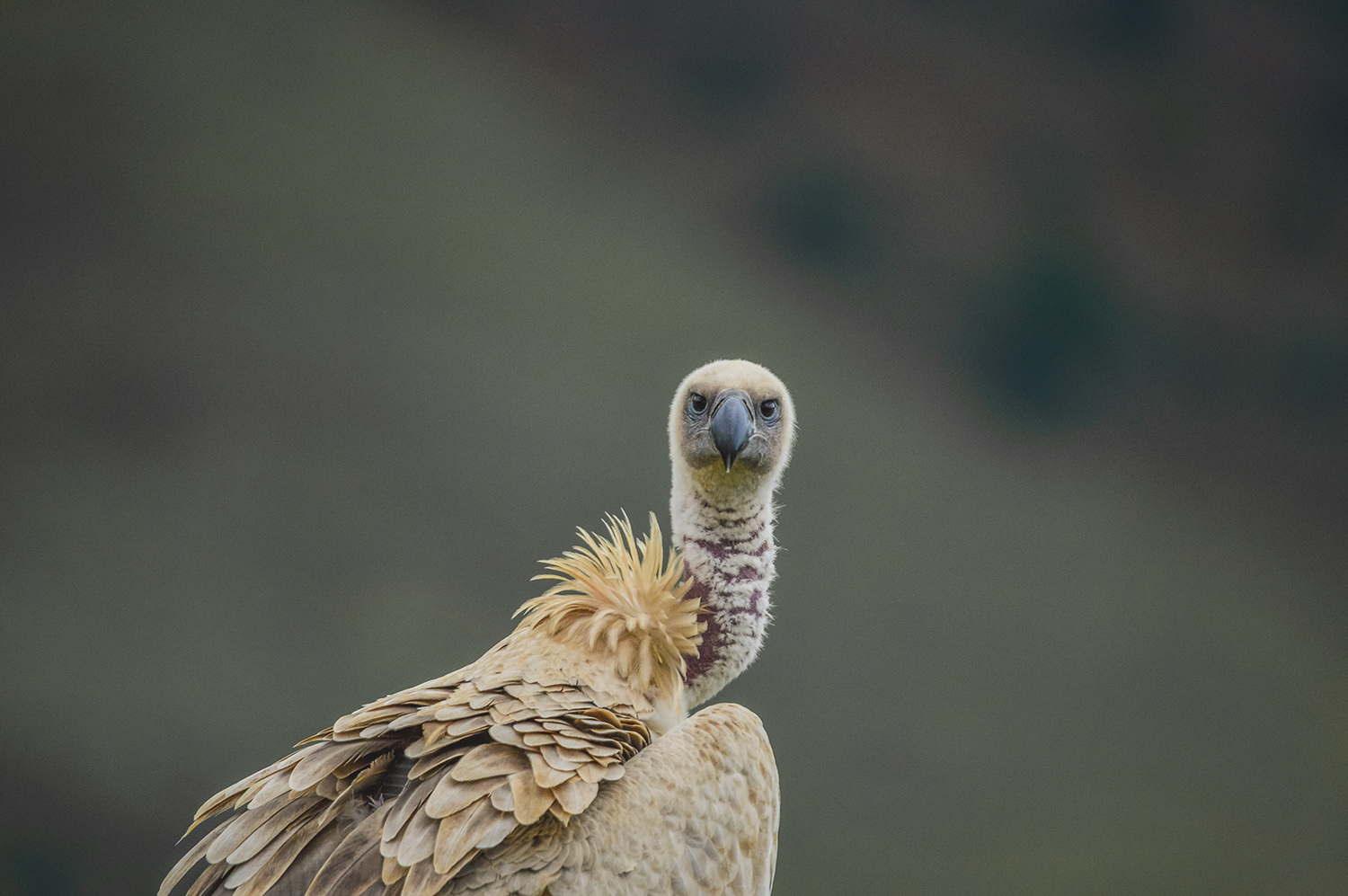
The Cape Vulture (Gyps coprotheres) is one of Africa’s largest and most impressive birds of prey — yet it is also one of the most threatened. With wingspans reaching up to 2.6 meters, these majestic scavengers soar effortlessly above South Africa’s dramatic cliffs and savannas, playing a vital role in the ecosystem by cleaning the landscape and preventing the spread of disease. Once widespread, Cape Vultures have suffered drastic declines due to habitat loss, poisoning, power line collisions, and declining food availability. Today, they are classified as Endangered, with only an estimated 4,000 breeding pairs left in the wild — and more than 70% of the global population now found within South Africa and Lesotho. Our reserve protects the third largest breeding colony in South Africa. Here, steep cliffs provide safe nesting sites for over 700 breeding pairs, while our conservation efforts — from habitat management to monitoring and community education — help secure a future for these giants of the sky. By visiting Cape Vulture Nature Reserve, you are helping us keep this population safe and healthy, ensuring that future generations can look up and see these silent guardians riding the thermals above our rugged mountains.
Book your unforgetable stay today!